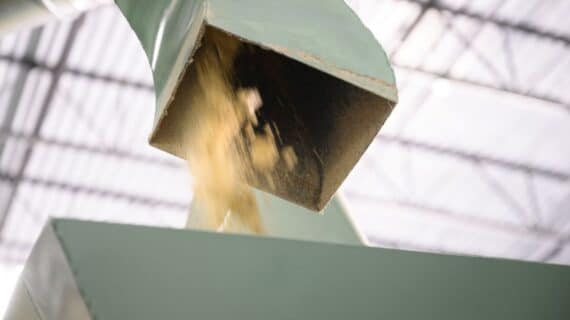
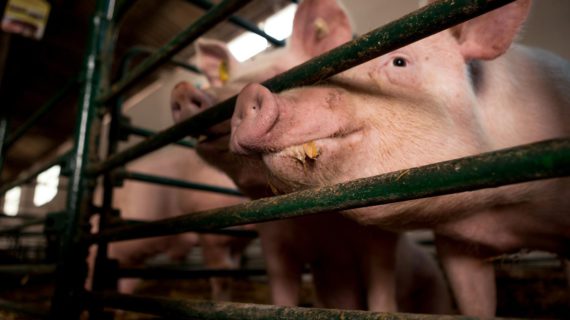
The particle size of corn and other cereal grains is a key factor to consider, given that it affects nutrient digestibility and growth performance of pigs. Grinding corn to…
In swine production, feed cost makes up more than 60% of the total, and within that cost, energy concentration is the most expensive component. Therefore, the definition of…
There are many advantages to amino acids in swine diets that can reduce costs when utilized effectively, but first, what are they? Amino acids are the components of…
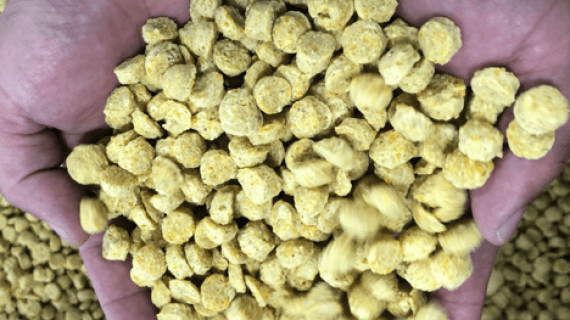
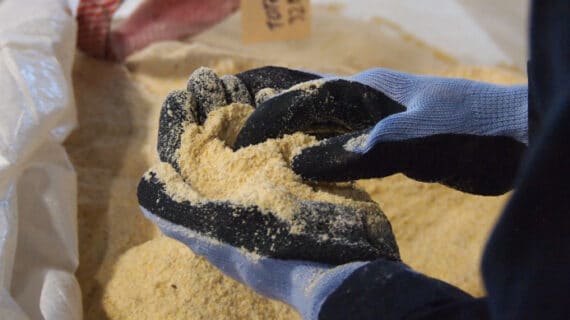
The processing method and parameters of raw soybeans into soymeal can impact quality, like deactivating anti-nutritional factors effectively. With any thermal treatment, caution must be taken to not…
Thermosensitive anti-nutritional factors, such as trypsin inhibitors, urease, lipoxygenase, and lectins, are found in several oilseed crops but are at high levels in soybeans. Most concerning, urease and…
When it comes to oilseeds and grains, many assume they are interchangeable commodities with little variation. However, this could not be further from the truth. Differences in processing…
Demand for quality plant-based proteins is being driven by consumers desire for more sustainable and nutritious food. According to a recent Bloomberg projection, plant-based proteins could make up 7.7%…
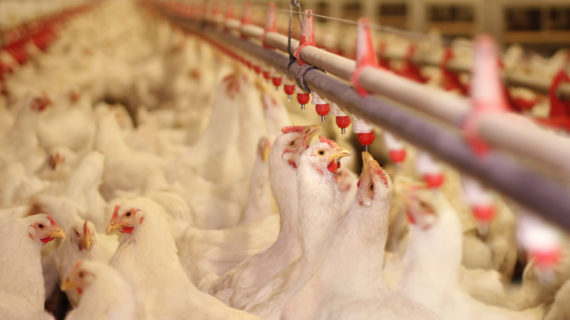
The poultry industry is continuously evolving, driven by the growing global demand for poultry products. To meet this demand, selecting efficient feeding strategies and high-quality dietary ingredients is…
Feed is one of the most significant production costs in poultry operations; therefore, focusing on the digestibility of ingredients and optimizing feed-to-gain ratios is essential for improving efficiency…
The ExPress® process, powered by Insta-Pro International’s equipment and expertise, stands out for producing highly nutritious soy meal. Our team of engineers and nutritionists are confident in our decades…
The amino acids that make up proteins are critically important in any diet. Typically, in order to build proteins, all amino acids are needed. Commercial diet formulations often focus…
In recent years, we’ve invested more in and researching the promising applications of our high-shear dry extruded corn ingredient, Hi-Gel™ corn. Materials that are high in starch have…
Livestock producers and feed mills face constant pressure to optimize animal nutrition while controlling feed costs. The challenge lies in maximizing the nutritional value of feed ingredients to…
The poultry industry has seen significant advancements in the 21st century, with a growing focus on optimizing broiler nutrition to enhance growth, health, and overall performance. One of…
In commercial animal production, the primary goal is to enhance feed efficiency due to the significant and continuous feeding expenses. That’s why providing the necessary nutrients to meet…
The poultry industry measures feed conversion ratio (FCR) – the relationship between kg of feed consumed compared to kg of body weight gain – as a performance indicator…
There is a common misconception about the differences among processing technologies for soybeans and how processing conditions affect the quality of soy meal. However, many differences do in…
In the previous blog covering the use of Hi-Gel™ corn for nursery diets, pigs demonstrated that there were no differences in growth performance when ground corn was substituted…